


How to Describe Pain So You Can Fix It — Pain Literacy for office Workers
Most people describe pain the same way: "it just hurts." But vague descriptions lead to vague plans — and vague plans keep people stuck. This guide walks you through the 8 questions that turn your pain pattern into useful information: where it is, what it feels like, when it shows up, what triggers it, what eases it, and how it behaves over 24 hours. Whether you're managing back, hip, shoulder, or knee pain as a 40+ desk worker in Etobicoke or Toronto, the more specific you can be, the faster you get to the right next step.
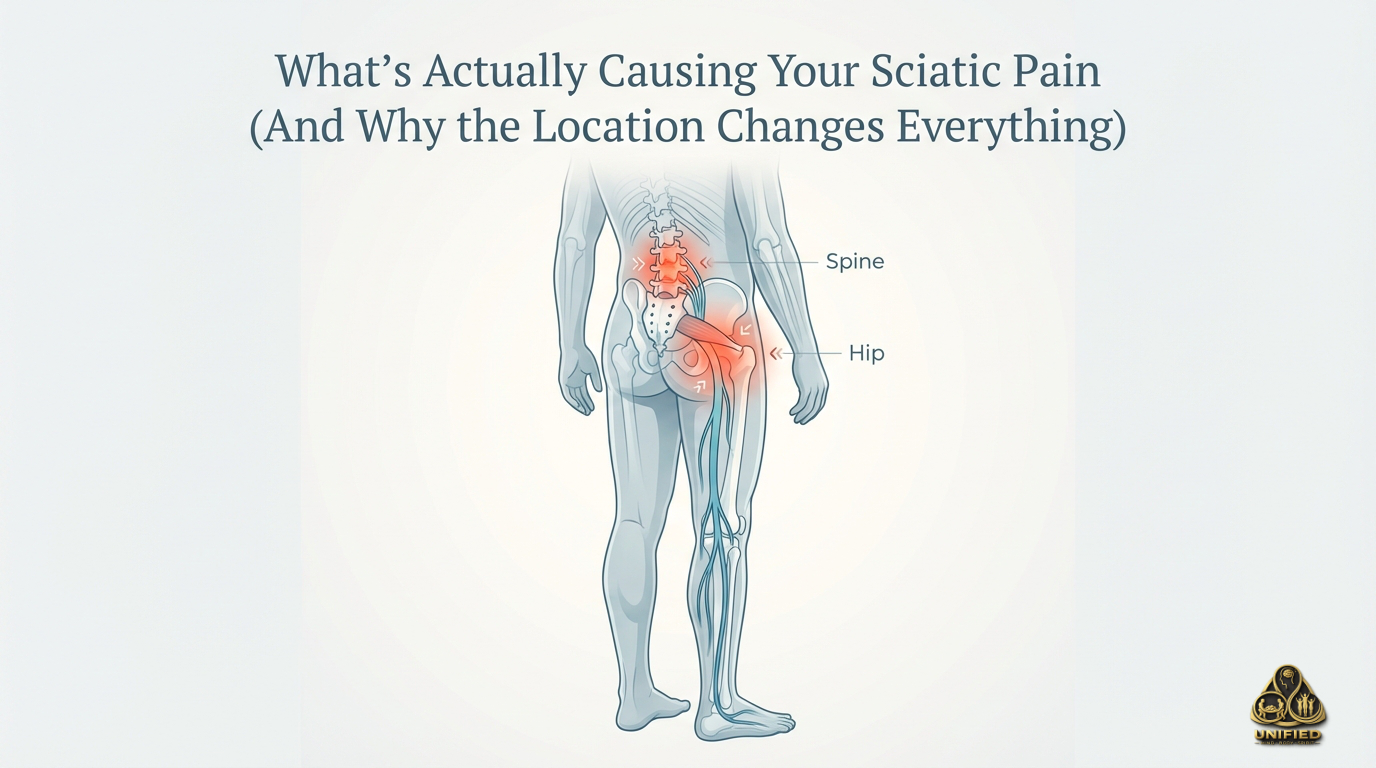
What's Actually Causing Your Sciatic Pain — And Why the Location Changes Everything
Sciatica causes usually fall into two buckets: low-back nerve root irritation or hip/piriformis irritation. Here’s how to tell which one you’re dealing with.
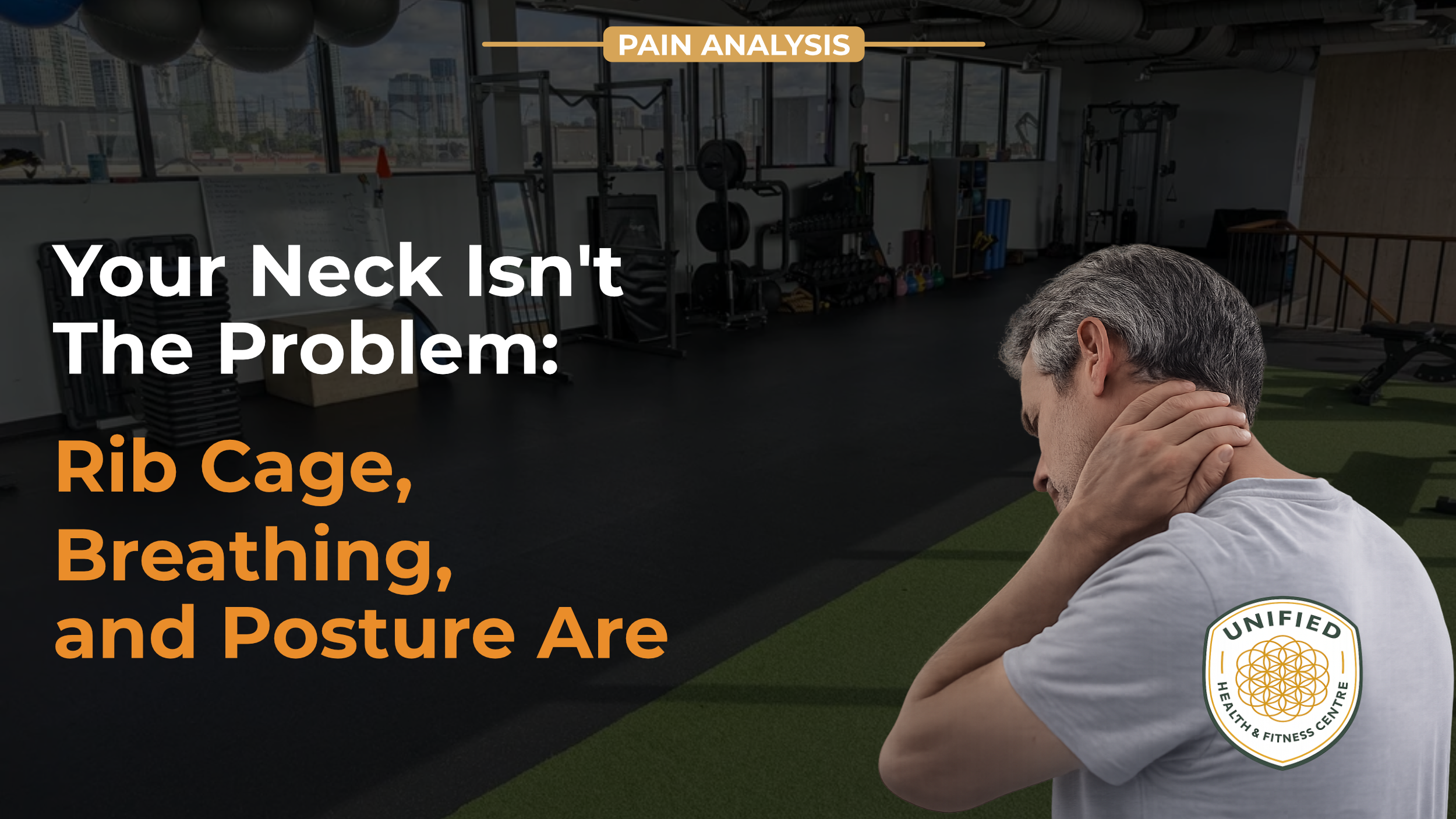
Why Your Neck Pain Isn't Just a Neck Problem
Your neck might not be the problem. When rib cage position, breathing mechanics, and trunk support stop doing their job, your neck compensates—and stays tight no matter how much you stretch.
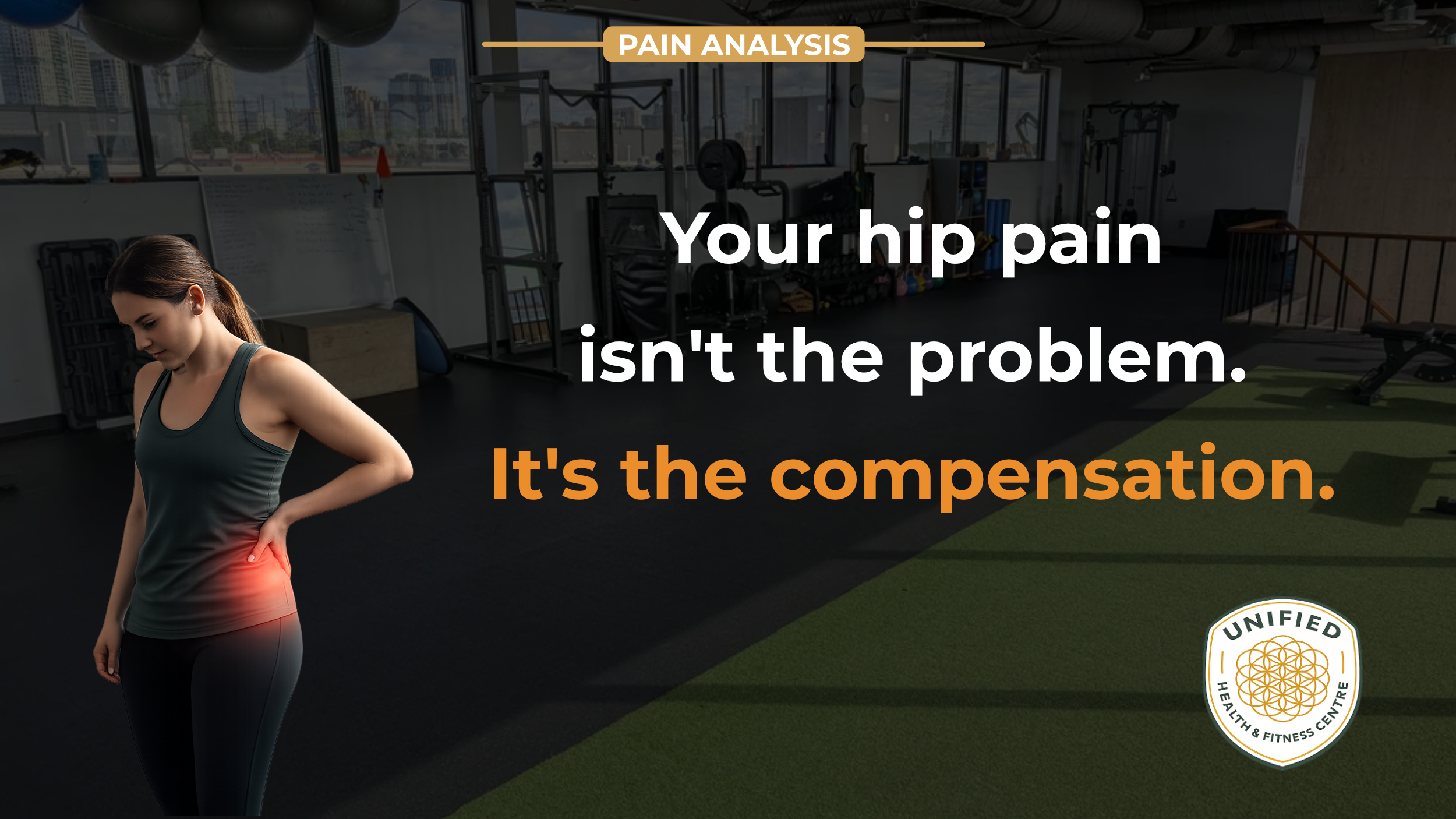
Hip Pain That Won't Go Away: What We Look For Instead
Your hip pain isn’t random. The hip sits between your spine and knee, and when either end stops doing its job, the hip absorbs the fallout.
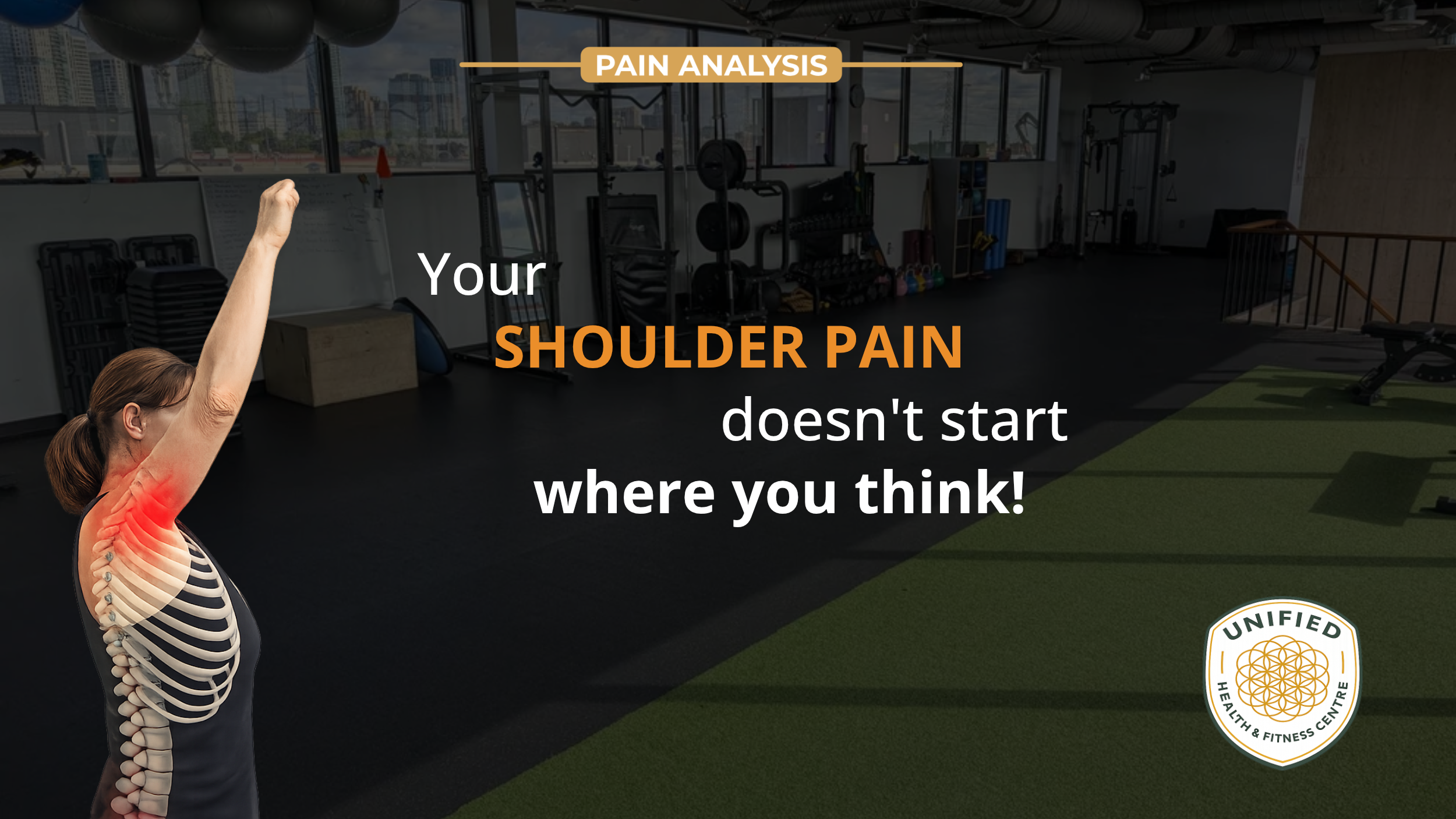
Why Your Shoulder Pain Keeps Coming Back
Your shoulder pain isn’t coming from your shoulder. Learn how rib cage position, thoracic posture, and breathing mechanics overload the joint—and why treating the shoulder alone keeps failing.
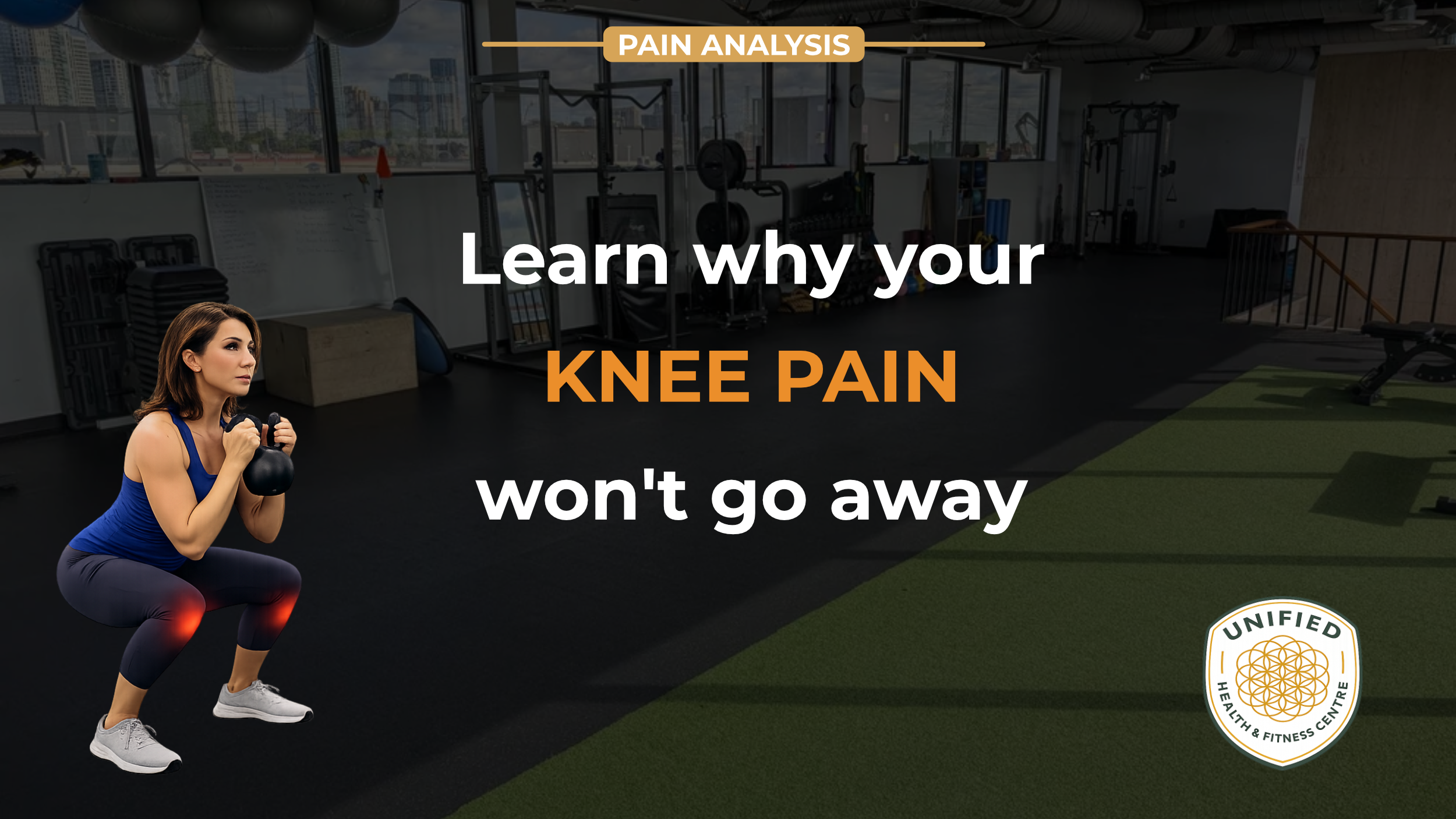
Why Your Knee Pain Isn't Really About Your Knee
Knee pain that keeps coming back isn’t usually a knee problem. Learn how hip stability, foot mechanics, and load distribution drive chronic knee pain—and why proper assessment matters.
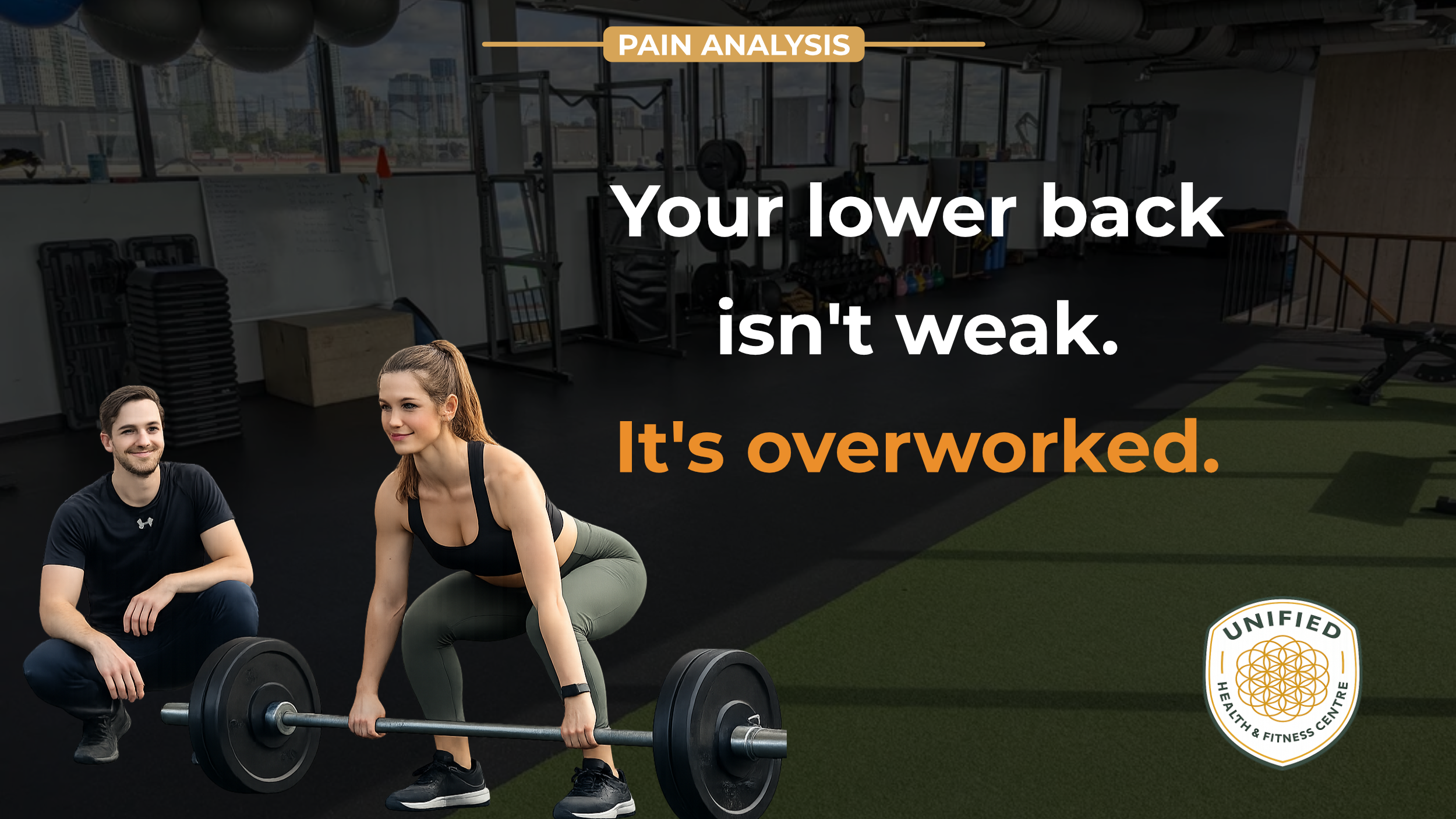
Why Your Lower Back Pain Keeps Coming Back
Your lower back isn't weak. It's overworked. Toronto corrective exercise specialist explains why recurring pain requires assessing hip function, breathing, and movement strategy—not just treating symptoms.
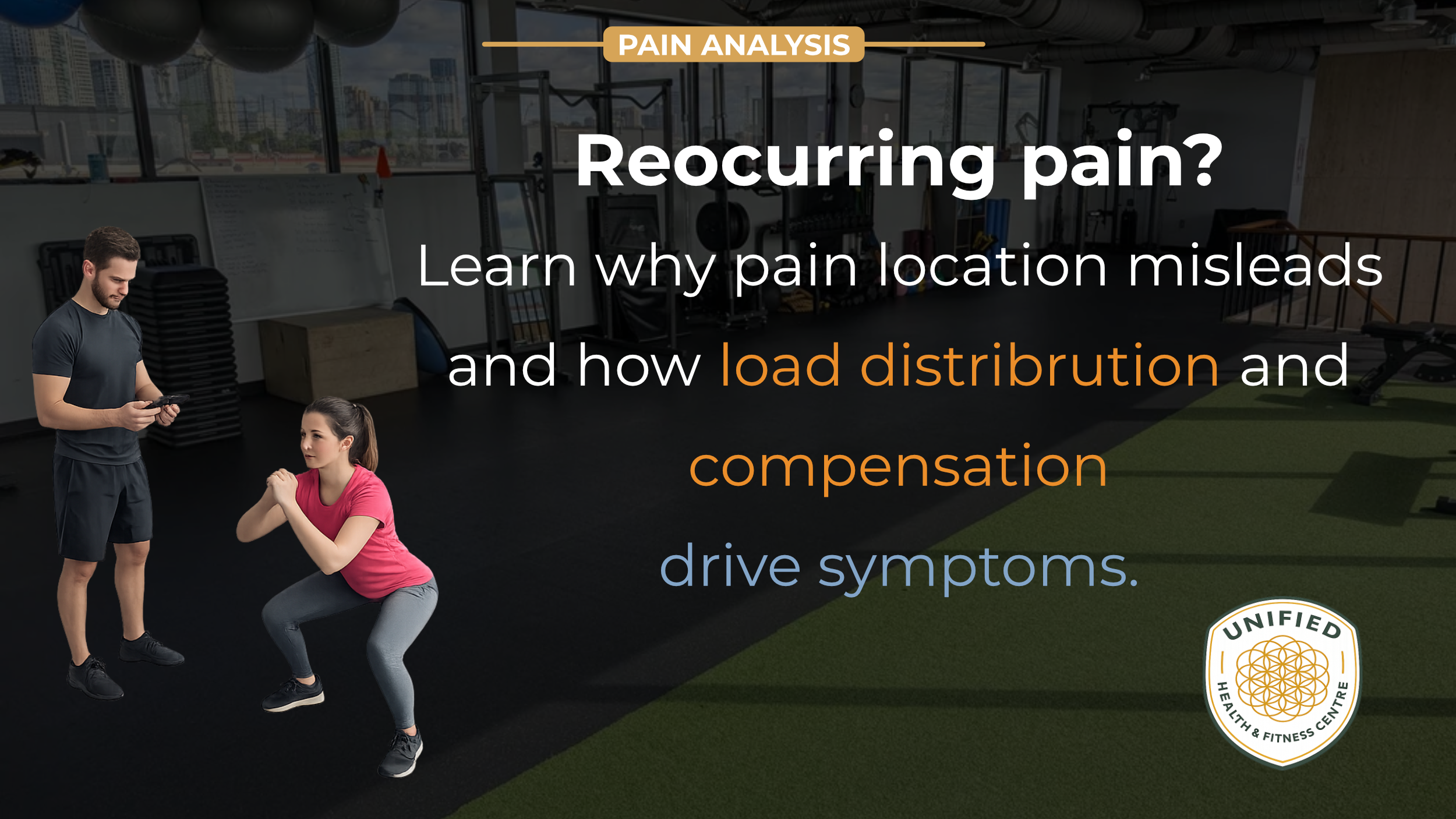
Why Pain Location Rarely Reveals the Real Problem
Recurring pain? Discover why pain location misleads and how compensation patterns, load distribution, and movement strategy drive chronic symptoms. Toronto corrective exercise specialist explains the system-wide approach.